Visit Network destination
Abbasabad Hills
Northeastern cultural area hosting the Tehran Book Garden complex.

Preview travel guide
A practical overview of Tehran: where to start, how the destination is laid out, when to visit, and how to plan a first trip.
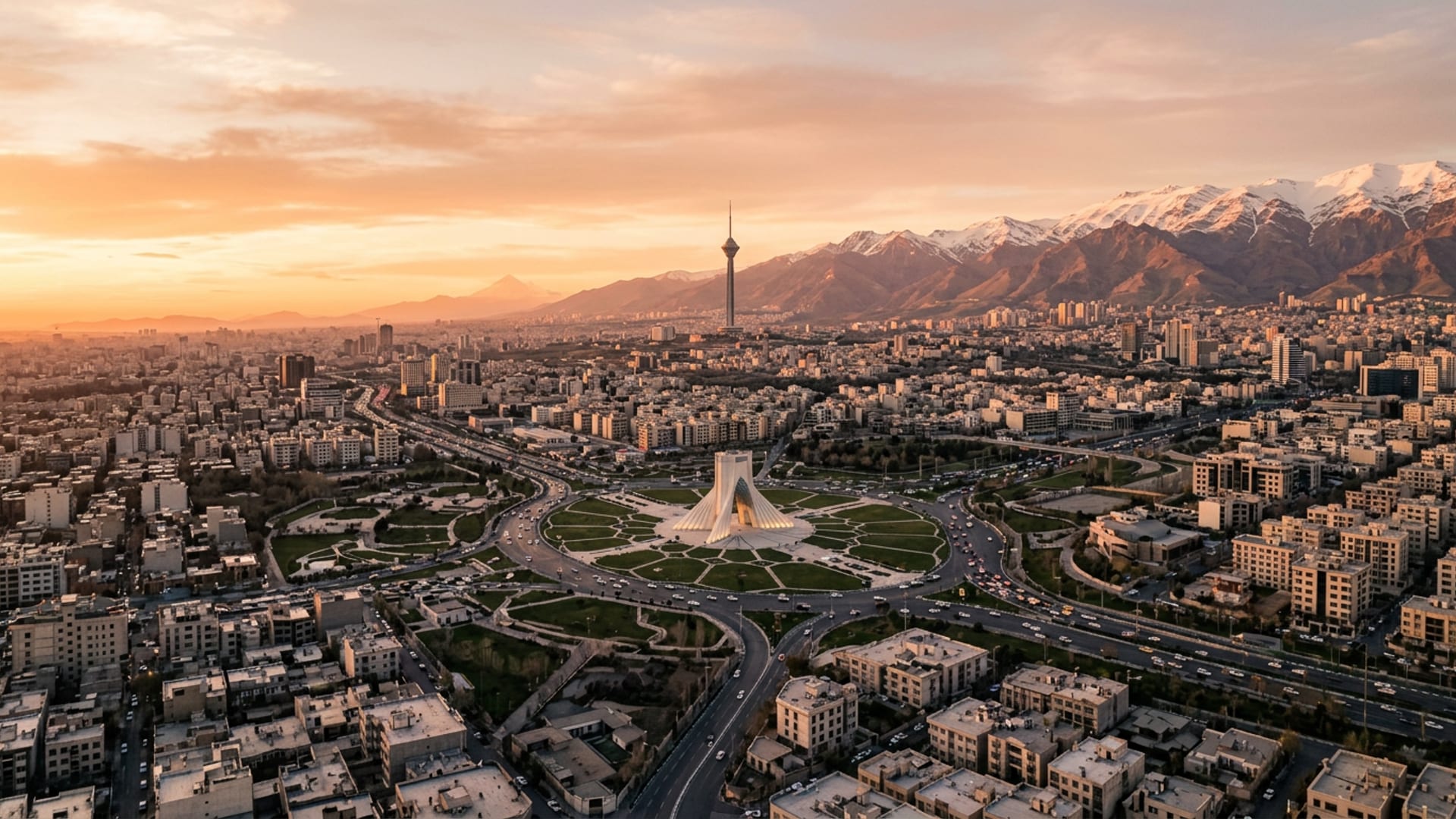
Tehran is Iran’s sprawling capital city located at the foot of the Alborz Mountains in north-central Iran. The city extends southward from mountainous northern districts to flatter plains in the south, with elevations ranging from about 1,100 meters to over 1,700 meters, shaping its diverse urban landscape and climate.
Tehran’s urban structure is strongly influenced by its geography, with a clear north–south distinction. The northern districts, situated at higher elevations near the Alborz foothills, tend to be wealthier and less dense, offering cooler air and mountain access. The southern areas lie on flatter plains and are more densely populated, including the historical core near the Grand Bazaar. A major north–south transport corridor, formed by highways and metro lines, connects these contrasting zones and facilitates movement across the city’s wide metropolitan area.
Key areas include the northeastern Abbasabad Hills, home to cultural projects like the Tehran Book Garden, opened in 2016. The northern Darband area hosts the Sadabad Palace complex, historically a royal summer residence. Western Tehran features Azadi Tower near Azadi Square, a symbolic monument from 1971. The Grand Bazaar in south-central Tehran remains a vital commercial and social hub. Milad Tower in the northwest defines part of the modern skyline and is one of the world's tallest towers.
Tehran’s semi-arid climate features hot, dry summers and cold winters, moderated by its elevation and proximity to the Alborz Mountains. The mountainous north offers cooler temperatures and access to hiking and ski resorts. The city’s elevation ranges from roughly 1,100 meters in the south to over 1,700 meters in the north, which affects temperature and air quality. Seasonal variations influence visitor experience, with spring and autumn providing milder, more comfortable weather.
Tehran is a walking-friendly city with a handful of distinctive areas worth knowing. Pick one base — usually the historic centre or a connected residential district — and use it as the launchpad for a few day-anchored visits across neighbourhoods. Plan one major attraction, one museum, and one neighbourhood walk per day.
The regions, cities or zones most first-time visitors combine. Pick by travel pace, season and what you want to do.
Northeastern cultural area hosting the Tehran Book Garden complex.
Mountainous northern district known for hiking and cooler air.
Northern affluent district on the Alborz foothills.
Historic central district including parts of the Grand Bazaar area.
Starting points for shaping the trip around the style that fits — not a fixed itinerary.
Anchor each day around one major attraction or area in Tehran, leave evenings flexible, and skip the second museum. Use one orientation tour early to get your bearings.
See suggested experiencesA 2–3 day visit in Tehran works best when you commit to one base and one or two anchors per day, rather than moving between towns or trying to "see everything".
See suggested experiencesSeven days or more lets you pair a city stay with a regional or coastal add-on. Pick a contrast — urban + nature, or central + countryside — and use the longer window for slower mornings.
See suggested experiencesChoose attractions with clear timings and skip-the-line tickets, keep at least one outdoor or interactive stop in each day, and protect downtime — pacing matters more with kids.
See suggested experiencesBuild the trip around the landscape: trails, viewpoints, day-from-base outings, and any signature activity. Book weather-sensitive plans early and keep a buffer day if you can.
See suggested experiencesPick one or two stretches of coast rather than chasing the perfect beach. Local boats and ferries set the pace; flexible dates beat fixed itineraries when weather is in play.
See suggested experiencesFour distinct seasons each shape a different trip. Pick the season for what you want to do, not the other way around.
Mild, lighter crowds, gardens at their best. Good time to visit Tehran if you want walking weather without summer prices.
Peak season — best weather but the busiest, most-expensive window. Book major sites and trains weeks ahead.
Often the quiet sweet spot: autumn colour, harvest food, lower hotel rates. Pack layers — late autumn turns cool fast.
Quietest, cheapest, sometimes coldest. Good for museum-led city visits, Christmas markets, or skiing where applicable.
Weather varies by region and altitude — check forecasts close to travel rather than assuming the season.
Direct answers to the questions most travellers actually ask before they book.
Named districts, beaches, viewpoints and points of interest. Hover a pin to see its description.
Other travel resources that complement this preview guide.
Are you a hotel, tour operator, local guide, contributor, or potential partner? We're expanding the Tehran guide and would like to hear from you. Send us a note and we'll reply personally.